
Essential Tips for Planning Your African Safari Adventure

Embarking on an African safari is a dream for many travelers. The chance to witness majestic wildlife in their natural habitat, explore vast landscapes, and experience unique cultures makes it an unforgettable journey. Yet, planning a safari requires careful preparation to make the most of your adventure. This guide offers practical tips to help you organize a smooth, exciting, and safe African safari trip.
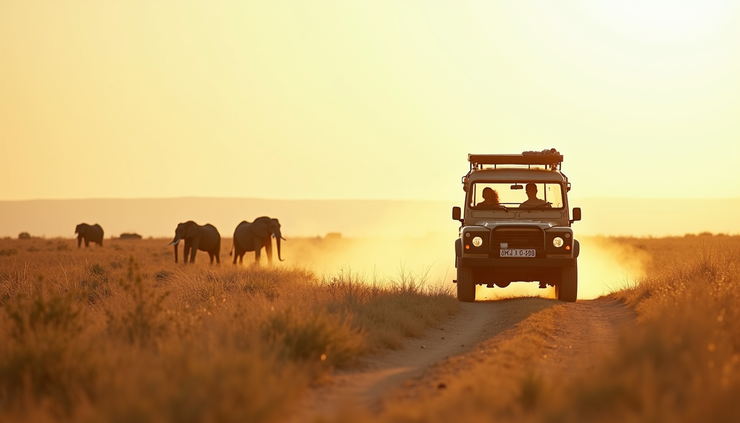
Choose the Right Destination and Time
Africa offers many safari destinations, each with its own appeal and best visiting seasons. Popular countries include Kenya, Tanzania, South Africa, Botswana, Namibia, and Zambia. Your choice depends on what you want to see and experience.
Kenya and Tanzania are famous for the Great Migration, where millions of wildebeest and zebras move between the Serengeti and Maasai Mara. The best time to witness this is from July to October.
Botswana offers pristine wilderness areas like the Okavango Delta, ideal for water-based safaris and birdwatching, best visited from May to October.
South Africa provides diverse options, including Kruger National Park, with good wildlife viewing year-round but especially during the dry winter months from May to September.
Namibia is known for desert landscapes and unique wildlife like desert-adapted elephants, best visited during the dry season from May to October.
Research the climate and wildlife patterns to pick the best time for your interests. Keep in mind that the dry season usually offers better animal sightings because wildlife gathers around water sources.
Plan Your Safari Budget Carefully
A safari can range from budget-friendly to luxury experiences. Costs depend on the destination, type of accommodation, length of stay, and activities included.
Accommodation varies from camping and basic lodges to exclusive tented camps and luxury lodges.
Safari types include group tours, private guided safaris, self-drive options, and walking safaris.
Additional costs may include park fees, tips, flights, and travel insurance.
Set a clear budget early and allocate funds for must-have experiences. Booking well in advance often secures better rates and availability.
Pack Smart for Comfort and Safety
Packing for a safari requires balancing comfort, practicality, and safety. Here are essentials to include:
Clothing: Neutral-colored, lightweight, and breathable clothes work best. Long sleeves and pants protect against sun and insects. A warm jacket is useful for early morning or evening game drives.
Footwear: Comfortable walking shoes or boots are necessary for walking safaris or lodge exploration.
Accessories: A wide-brimmed hat, sunglasses, and sunscreen protect you from the sun. Binoculars enhance wildlife viewing.
Health items: Bring insect repellent, a basic first aid kit, and any personal medications. Consult a travel clinic for recommended vaccinations.
Electronics: A good camera with zoom lenses captures wildlife moments. Extra batteries and memory cards are helpful.
Avoid bright colors and strong perfumes that might disturb animals.
Understand Safari Safety Guidelines
Safety is crucial on safari. Follow these guidelines to protect yourself and the wildlife:
Always listen to your guide’s instructions.
Stay inside the vehicle during game drives unless told otherwise.
Keep a safe distance from animals; do not attempt to feed or touch them.
Avoid loud noises and sudden movements.
Use insect repellent to prevent bites from mosquitoes and other insects.
Drink bottled or purified water to avoid illness.
Respecting the environment and animals ensures a safe and responsible safari experience.
Choose the Right Safari Operator
Selecting a reputable safari operator can make a big difference in your trip quality. Look for companies with:
Experienced, knowledgeable guides.
Good reviews and testimonials.
Clear safety policies.
Commitment to sustainable and ethical tourism.
Ask about group sizes, vehicle types, and included services. A good operator will tailor the experience to your preferences and provide support throughout your journey.
Prepare for Cultural Experiences
Many safari destinations are home to indigenous communities with rich traditions. Engaging respectfully with local cultures adds depth to your trip.
Learn about local customs and etiquette.
Support community-run tourism initiatives.
Purchase authentic crafts directly from artisans.
Be mindful when taking photos of people; always ask permission.
These interactions enrich your safari and contribute positively to local communities.
Plan Your Travel Logistics
Getting to and around safari destinations requires some planning:
Book flights early, especially for international and regional connections.
Arrange airport transfers and internal flights if needed.
Confirm visa requirements and travel documents.
Check baggage allowances, especially for small aircraft used in remote areas.
Consider travel insurance covering medical emergencies and trip cancellations.
Organizing logistics ahead reduces stress and ensures smooth transitions during your trip.
Maximize Wildlife Viewing Opportunities
To get the most from your safari, consider these tips:
Go on early morning and late afternoon game drives when animals are most active.
Use binoculars and cameras with zoom lenses.
Stay quiet and patient; wildlife often appears when least expected.
Ask your guide about animal behavior and habitats.
Visit different habitats like savannah, wetlands, and forests for diverse sightings.
Each safari day offers unique chances to observe nature’s wonders.
Respect the Environment
Sustainable travel helps preserve Africa’s wildlife and landscapes for future generations. You can contribute by:
Staying on marked paths and roads.
Avoiding littering and disposing of waste properly.
Using eco-friendly products.
Supporting conservation projects and responsible tourism operators.
Your respect for nature helps protect the safari experience.



Comments